Strategy · Reg D 506(c) · Accredited investors only

Grocery-anchored.
All cash.
Built to distribute.

Stoneforge buys grocery-anchored shopping centers in the $5–25M range — unlevered, in cash — and operates them for quarterly income. No bank approvals. No rate exposure. No clock on closing. The strategy fits on a page; the discipline is in repeating it.

Asset focus · Grocery-anchored centers
Capital structure · 100% cash · no debt
Target hold · 3–5 years
Target net IRR · 12–15%
Target equity multiple · 1.7–1.9×
Distributions · quarterly · 8% pref
GP co-invest · 5–15% every deal
Why this asset class · why now

The grocery store stayed. The institutional bid didn't.

Grocery-anchored centers used to be a staple of institutional portfolios. A decade of fund-size inflation pushed allocators upmarket, and a wave of leveraged sponsors took the rest. The buyer pool changed. The buildings — and the weekly shopping trip — did not.

“The grocery store didn't move. The bank's appetite for the building did.”
— Internal memo · Stoneforge IC
01
REITs and large funds skipped the format.
$5–25M grocery-anchored centers are too small to move the needle for a $10B fund — but they're the right size for a disciplined private allocator.
02
Leveraged sponsors got pinched.
Variable-rate borrowers who bought in 2021–22 are paying debt service that eats the entire distribution. Their forced-sale list is our pipeline.
03
The grocery trip didn't go online.
Grocery is the most defensible foot-traffic in retail — frequent, weekly, e-commerce-resistant. The anchor pulls the rest of the center along with it.
04
Local owners are aging out.
Many of these centers are still owned by the families that built them in the 80s and 90s. An all-cash buyer who can close in 30 days is what gets the call.
What we'll buy

One box. Cash in the door.

Every Stoneforge acquisition has to fit inside the box below. The rare exception goes to IC with a written memo explaining which line we're stretching and why.

Deal size
$5M – $25M
Total transaction value, single asset.
Capital structure
100% cash · no debt
Unlevered acquisitions. No bank, no rate exposure, no maturity wall.
Property type
Grocery-anchored centers
Anchor must be an investment-grade or regional grocer on a long-term lease.
Anchor lease
10+ years remaining
Original term or option periods exercised in writing — no month-to-month anchors.
Target cap rate
7.0% – 8.5% in-place
On T-12 actuals, not stabilized pro-forma. Unlevered yield, since there is no leverage.
In-line tenants
Necessity-based
Pharmacy, medical, services, banking, QSR, value-fitness — daily-needs co-tenants.
Occupancy
90%+ at acquisition
Stable income from day one. Lease-up plays only with priced-in vacancy.
Lease structure
NNN preferred
Tenants reimburse taxes, insurance, CAM. Owner risk = roof and parking lot.
Geography
Secondary markets
Population 100K–1M. Strong household formation. Within driving distance of an office.
Hold period
3 – 5 years
Long enough for the thesis to play out. Short enough to recycle capital.
Close timeline
30 days, all-cash
No financing contingency. Sellers know we close on the date on the contract.
What we will and won't do

Knowing what to pass on is the strategy.

We see roughly 400 deals a year. We close on a handful. The list on the right is most of the reason why.

We will

Buy buildings we'd want to own forever.

  • Grocery-anchored, multi-tenant centers only
  • Stabilized cash flow from day one
  • All-cash close in 30 days, no financing contingency
  • NNN leases with annual escalations
  • Markets we can underwrite in person
  • Co-invest 5–15% of equity, every deal
  • Distribute quarterly, transparently
  • Hold until the thesis is proven
We won't

Chase yield where the discipline breaks.

  • Any deal that requires a bank to close
  • Variable-rate or short-term debt, paid or unpaid
  • Ground-up development
  • Unanchored strips or single-tenant retail
  • Discretionary tenants (apparel, big-box, entertainment)
  • Lease-up bets priced as stabilized
  • Markets we can't visit on short notice
  • Capital calls past closing — full stop
How a deal pencils — or doesn't

We model what's collected, not promised.

The single biggest source of LP capital loss in real estate is optimistic underwriting. We start from the rent roll and the tax bill. Everything else has to defend itself.

Income
T-12 actuals only.
Trailing twelve months of collected rent — verified against bank deposits, not just the seller's rent roll. We strip non-recurring items, free rent, and any tenant within 12 months of lease expiration unless renewal is documented.
5%
Vacancy floor
3%
Credit loss
0
Rent bumps assumed
Expenses
Worst of broker, T-12, or our own model.
Taxes are reassessed at sale price, not held at the seller's basis. Insurance is quoted at current market, not last year's renewal. CAM and management are floored at industry norms — we never trust expenses that look “too clean.”
+15%
Insurance buffer
$0.30
PSF capex reserve
3%
Mgmt fee floor
Capital
100% cash. No bank in the deal.
Every Stoneforge acquisition closes unlevered. We see too many sponsors close at 65% LTV on floating debt and watch the distribution evaporate the first time rates move 200 bps. We removed the variable entirely — no financing contingency, no rate exposure, no maturity wall, no covenant the lender can call.
0%
Leverage
30d
Close timeline
0
Loan covenants
Exit
Sold at a higher cap than bought.
Reversion cap is modeled at +50–75 bps over our acquisition cap. If the deal doesn't clear our hurdle on a worse-cap exit, it doesn't pencil. We don't underwrite cap-rate compression — we earn it if it shows up.
+75
bps cap expansion
15%
Net IRR target
3%
Cost of sale
How a Stoneforge deal is financed

One stack. No bank. No surprises.

The same structure on every deal. No senior debt, no mezz, no fund-of-funds intermediaries. You see exactly what you own and what we own next to you.

Senior debt— removed —0%
LP equity88%
GP co-invest12%
Senior debt · 0%
We don't borrow. Period.
Two structural reasons: bank-financed deals take 60–90 days to close — LP capital sits idle and sellers go elsewhere. And variable-rate borrowers can't pay distributions when rates move; the first 200 bps wipe out the spread. Removing the loan removes both problems.
LP equity · 88%
8% preferred return, then 70/30 above.
Investors receive an 8% preferred return, paid quarterly from in-place NOI. Above the pref, cash flow and gains split 70/30 in favor of LPs. No catch-up, no IRR-based promote.
GP co-invest · 12%
Stoneforge writes a real check, every deal.
We commit 5–15% of total equity from the GP, on the same terms as the LP class — same pref, same waterfall, same exit. Skin in the game isn't a marketing line; it's why the firm exists.
Why this matters
Typical sponsor
  • Capital structure65% debt · 35% equity
  • Close timeline60–90 days
  • Rate exposureVariable, often uncapped
  • Distribution riskErased by +200 bps move
  • Refi riskMaturity wall at year 5–7
  • Capital-call riskTo cure DSCR or cap
Stoneforge
  • Capital structure100% cash
  • Close timeline30 days
  • Rate exposureNone
  • Distribution riskInsulated from rate moves
  • Refi riskNone — no loan to refinance
  • Capital-call riskNone past closing
Five years, on average

Long enough to earn the cash flow.

We hold for the cash flow first and the gain second. Most of our return comes from the quarterly distribution; the exit is the bonus, not the thesis.

Close all-cash in 30 days. Fund GP co-invest. First quarterly statement within 60 days of close.
Acquisition
Year 0
Stabilization
Anchor renewal check. Tenant retention, lease compliance, immediate-NOI capex (lighting, lot, signage).
Year 1
Renewals at market, contractual escalations, vacancy backfill on pre-underwritten terms.
NOI lift
Year 2
Distribution
Cash flow compounds unlevered — every dollar of NOI is a dollar of distributable income, no debt service to clear first.
Year 3
Sell when the thesis is proven and the cap environment supports it. Never on a clock — no maturity forces our hand.
Exit
Year 3–5
What we own — visually

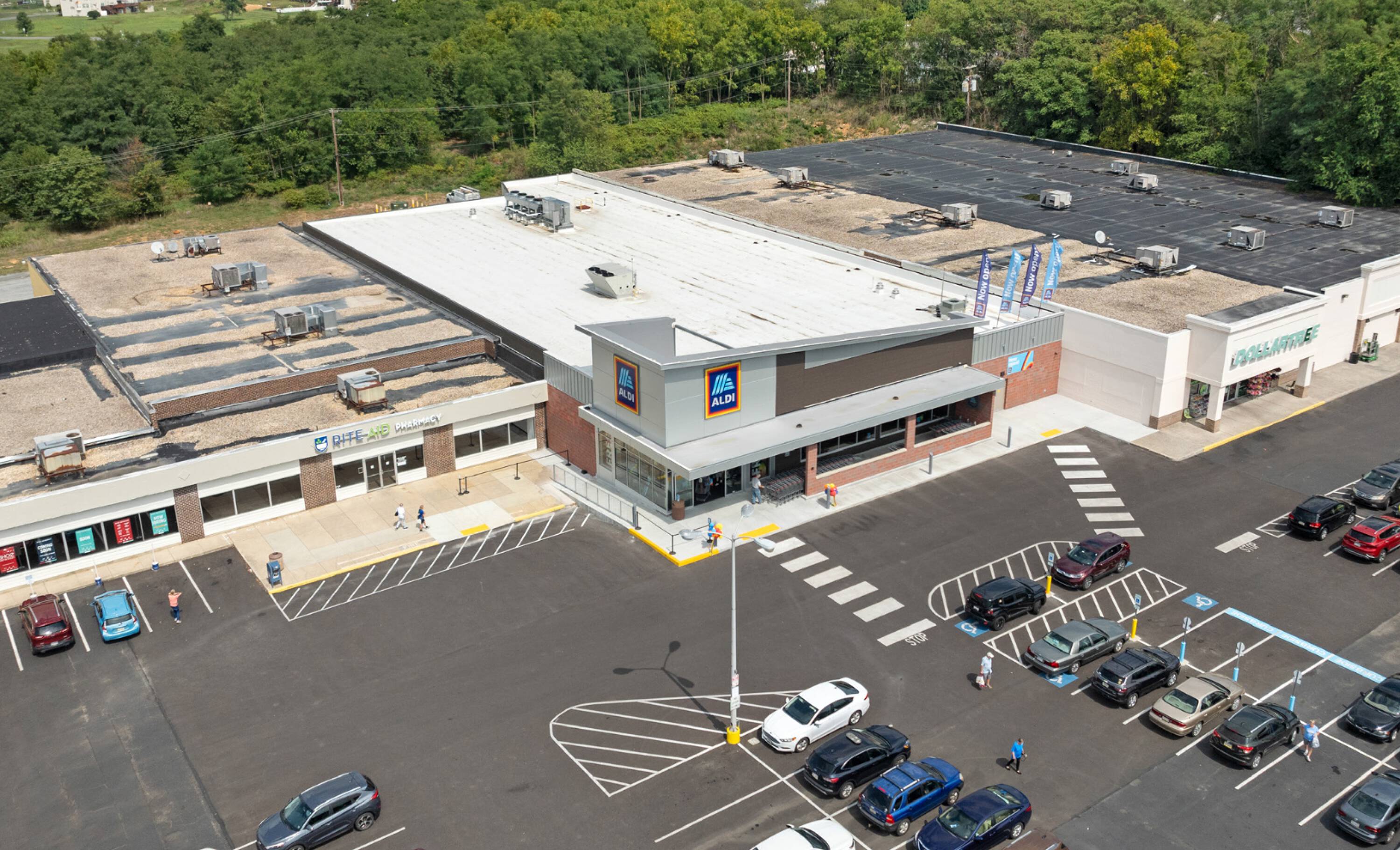
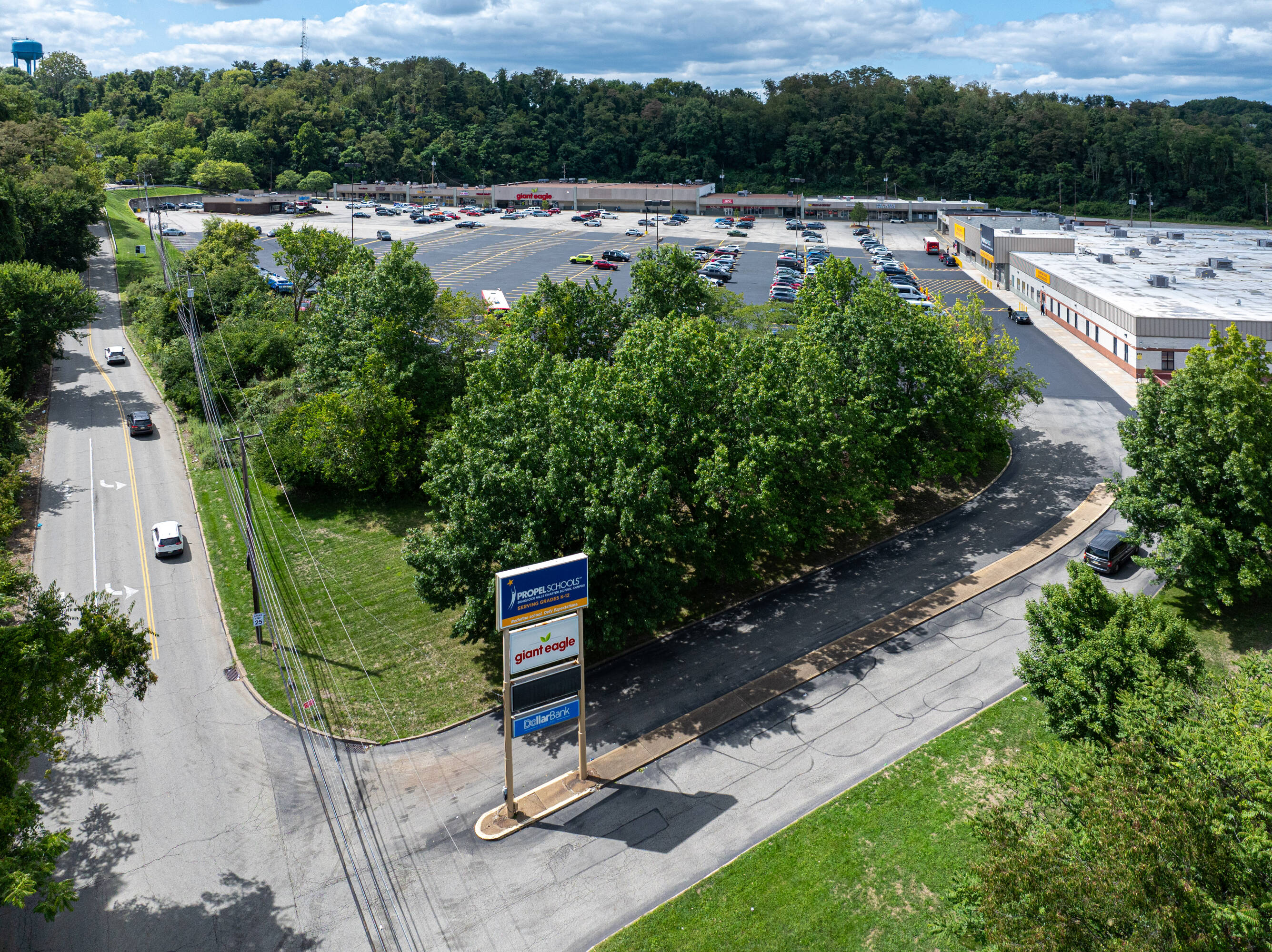
Three buildings, one playbook.

Every Stoneforge asset rhymes with the next: a regional or national grocer on a long lease, a parking field that fills on a Saturday morning, and a tight ring of necessity-based co-tenants. The names change. The shape doesn't.
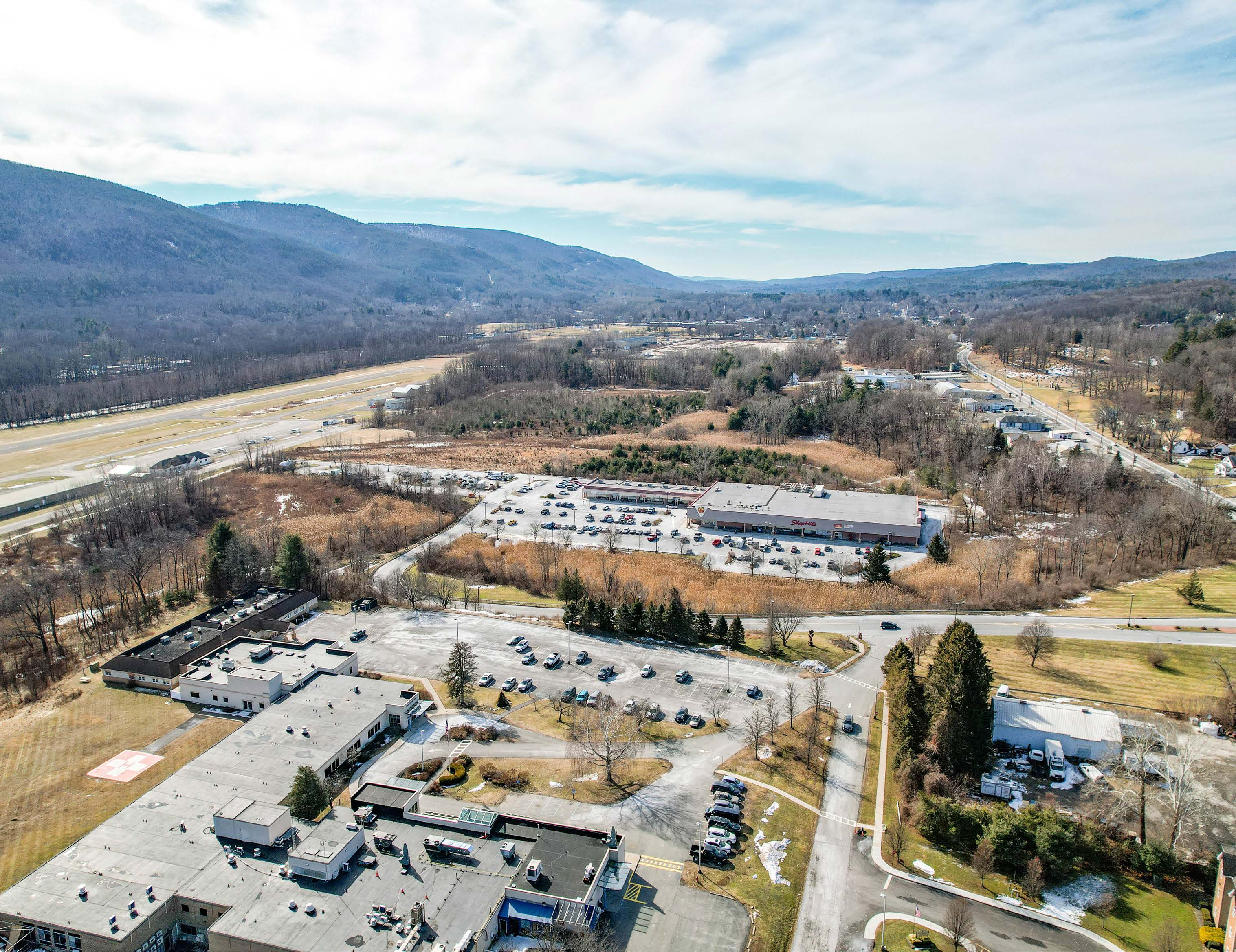
Shoprite Plaza
Closed syndication
Shoprite Plaza
Ulster County, NY
AnchorShopRite (46,750 SF)
56,555 SF · absolute NNN · grocery-anchored
Braddock Hills Retail Portfolio
Closed syndication
Braddock Hills Retail Portfolio
Pittsburgh, PA
AnchorGrocer-led, multi-tenant
~97,546 SF · five-parcel footprint
Wayne Heights Shopping Center
Closed syndication
Wayne Heights Shopping Center
Waynesboro, PA
AnchorALDI
~117,951 SF · Route 16 corridor
What you should expect

The math we underwrite to.

Unlevered returns look different than leveraged ones — lower headline IRR, but earned from cash flow, not from rate bets. We underwrite conservatively. These are targets, not promises.

13%
Target net IRR
After fees and the GP promote. Unlevered, so the headline is lower than typical sponsors — but it's earned from cash flow, not rate compression.
1.8×
Target equity multiple
Roughly 1.7–1.9× over a 3–5 year hold. The bulk comes from current cash flow, with the balance from disciplined exit timing.
8%
Preferred return
Paid quarterly from in-place NOI — no debt service to clear first. If it doesn't get paid, it accrues to your account until it does.
Six rules we don't break

The Doctrine.

Every Stoneforge deal passes through six tests before it ever reaches an investor inbox. Miss one, kill the deal.

01

Capital preservation first.

We'd rather miss a good deal than take a bad one.

02

Conservative underwriting.

T-12 actuals only. We model what's collected, not pro-forma.

03

65% LTV maximum.

Fixed-rate preferred. Floating only with a paid rate cap.

04

Necessity over discretionary.

Grocery, medical, services. Things people drive to in a rainstorm.

05

Skin in the game, every deal.

5–15% GP equity. Our money sits next to yours from day one.

06

Monthly transparency.

Real-time portfolio visibility. No black boxes.

Verified accredited investors only

Want the full deck?

We'll send the current portfolio brief, a sample deal memo, and an invite to the next quarterly investor call.